Subfloor humidity
82%→55%
Subfloor ventilation for Glebe's terraces — quiet, timed fans that clear rising damp, mould and musty smells.
Glebe is dense Victorian terraces and period homes on tight, shaded blocks near the university and foreshore.
Have a play with the toggle — here's what's going on under a Sydney floor, in plain English.
Old air vents get painted over and the air under your floor stops moving. Damp from the ground just sits there, soaks into the floorboards and creeps up your walls — that's the musty smell, the peeling paint and the black mould you can see inside.
Quiet fans gently pull fresh, dry air right through the subfloor on a timer. The ground dries out, the damp has nowhere to sit, and your floors and walls stay dry — so the smell clears and the mould stops coming back.
The right system depends on your subfloor's size, access and how blocked the airflow is. We assess on-site and fit the right one — here's the range.
Brick or wall vents let air cross the subfloor on its own. Silent and free to run — but only enough by itself for well-exposed homes with mild damp.
A quiet mechanical fan on a timer pulls stale, damp air out and draws fresh air in through the vents — the reliable fix for most Sydney subfloors.
Fans on both sides — one pushing dry air in, one drawing damp air out — for a forced cross-flow that reaches every corner.
We fit the German-made Blauberg Turbo range — quiet, 2-speed mixed-flow fans. On a timer they only run about 8 hours a day, so the running cost is tiny. Slide to your own power rate and run time:
Figures use the Blauberg Turbo 2-speed power draw, running 8 hours a day, 365 days a year, at the rate you set above. NSW residential usage rates averaged roughly 28–35c/kWh in 2026 — so even the biggest fan runs for about the price of a coffee a fortnight. Your real figure depends on fan size, speed setting and your power plan.
Shared walls, low clearance and long-blocked vents leave the subfloor air stagnant, so damp wicks into the timber and plaster.
Because subfloor ventilation is the only thing we do, we fix the cause, not the symptom. Rather than mask the smell, we get the air under your floor moving again so the moisture is carried out. Explore our fixes for damp and musty smells, or see subfloor ventilation across the North Shore.
That "old house" smell that hits when you walk in — it's coming up through the floor.
Black spotting low on internal walls, in wardrobes and behind furniture.
Timber boards lifting at the edges or bouncing underfoot as moisture swells them.
Foggy windows and a clammy feeling indoors, worst through the cooler months.
Soft, decaying joists and bearers — the structural cost of years of trapped damp.
Mould spores from below circulate upstairs, flaring hay-fever and breathing issues.
A balanced system gently draws fresh, drier air in one side and pushes humid air out the other, cycling the whole subfloor several times an hour.
We pop over, log the humidity and airflow, and check your access — no pressure, no jargon.
Quiet fans pull cool, drier outside air into the dampest spots under your floor.
Stale, moist air is moved across and out the other side — no soggy dead pockets left.
Set once and forget it — it runs through the day, switches off overnight, and you'll never hear it.
We work throughout Glebe, from Glebe Point Road down to the foreshore. We also cover the wider North Shore sub floor ventilation and the neighbouring suburbs below — or see subfloor ventilation across Sydney.
The cost depends on the size of your subfloor, how much clearance and access there is, and which system your home needs — passive vents, a single exhaust fan, or a full cross-flow setup. We never quote sight-unseen; we assess on site and give you a written, fixed-price quote with no obligation, so you know the exact cost up front.
In most cases, yes. Rising damp and subfloor mould are driven by trapped, moisture-laden air sitting under the floor. By mechanically moving that damp air out and drawing drier air in, subfloor ventilation removes the moisture source rather than masking the smell — so the damp, mould and musty odour stay gone. We confirm the cause with an on-site moisture assessment first.
Yes. A lot of Glebe housing is older or heritage stock, and subfloor ventilation is normally installed discreetly beneath the floor with minimal external change — fans and ducting sit out of sight in the subfloor, and vents can be matched to existing brickwork. We work sympathetically with older homes and can advise if any approvals apply to your property.
No. We install quiet, energy-efficient fans on a timer, so they run only when needed and are near-silent from inside the home — most owners forget they're there. Running costs are minimal, typically only a few cents a day.
Most Glebe homes are assessed and installed within half a day to a full day, depending on subfloor size and access. It's a tidy, single-visit job with minimal disruption.
Common signs include a musty or damp smell in ground-floor rooms, mould on skirtings or in wardrobes, cupping or springy floorboards, peeling paint, and rooms that feel cold and damp. A free on-site inspection with a moisture reading is the definitive way to confirm it.
Yes — we install subfloor ventilation right across the North Shore, including Forest Lodge, Annandale, Camperdown, Leichhardt and Newtown, as well as Sydney-wide.
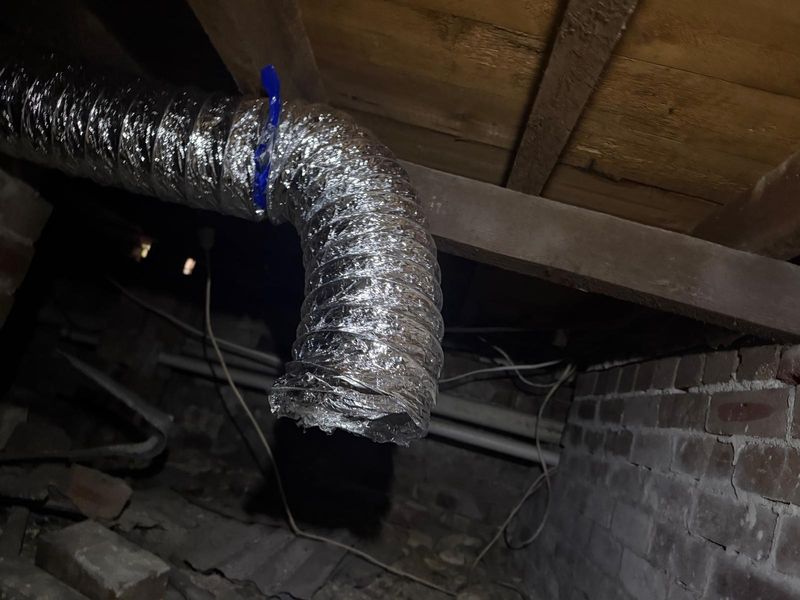
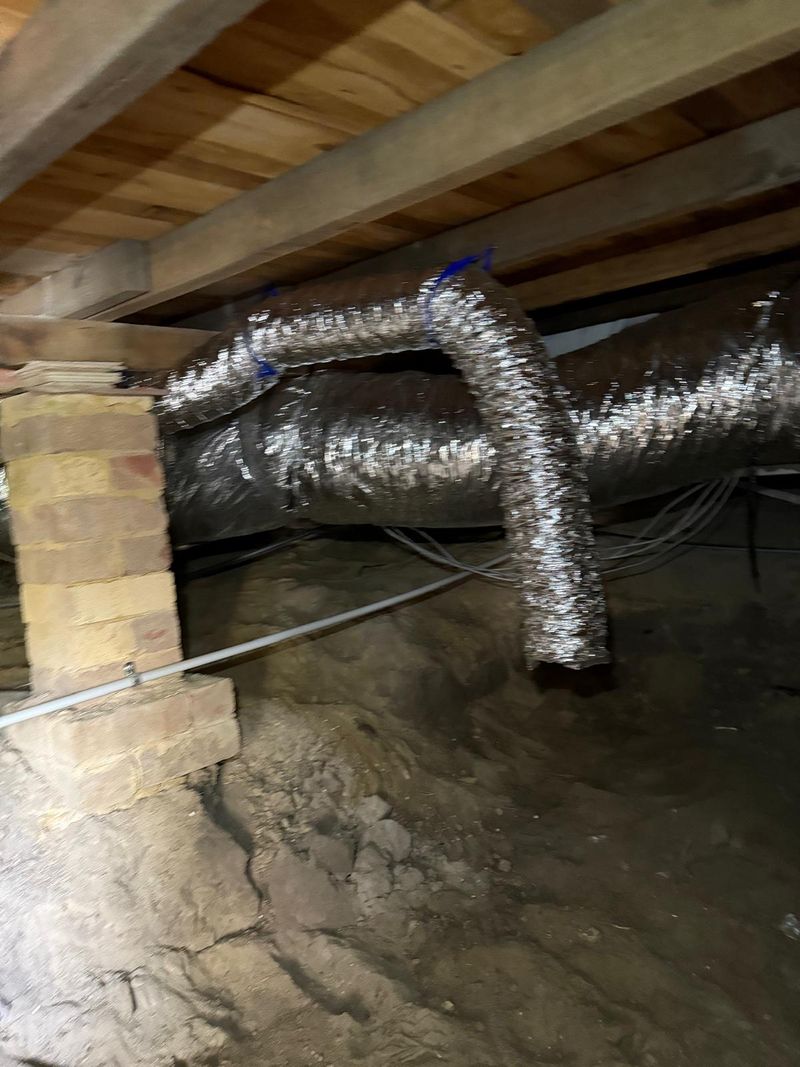
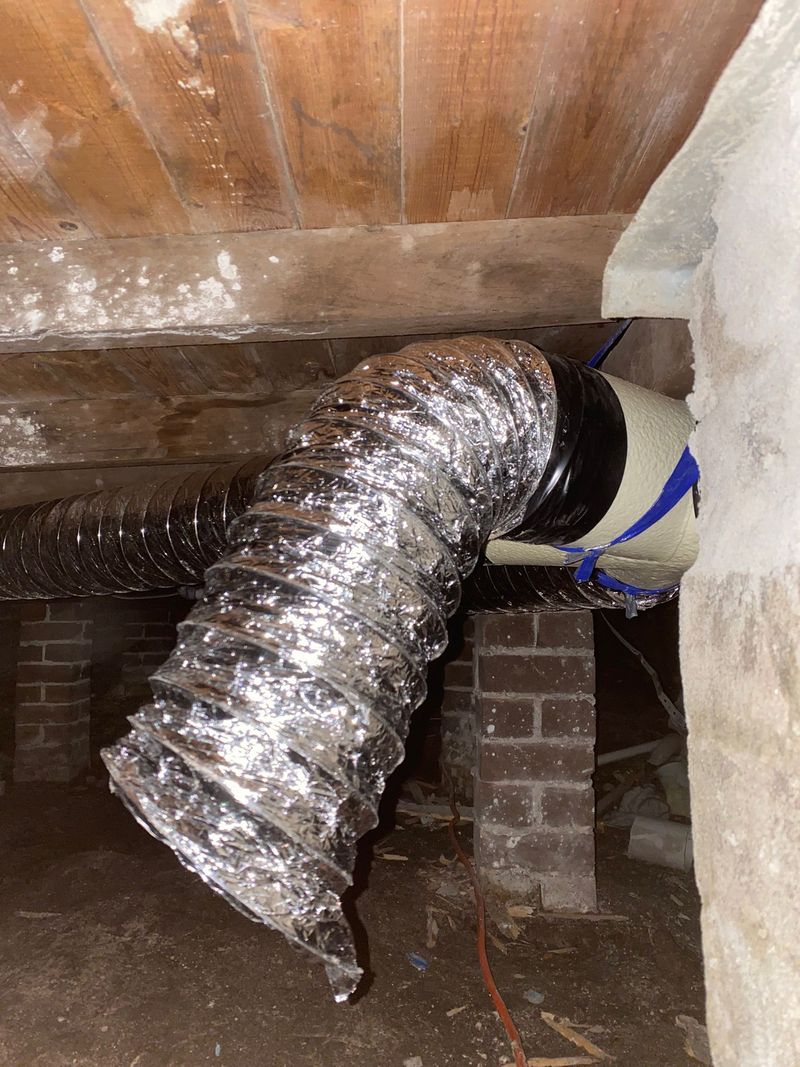
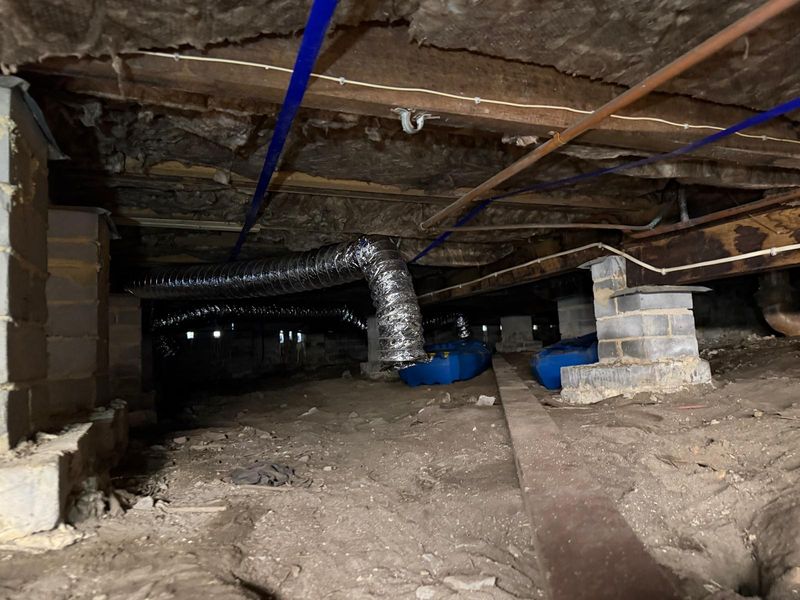
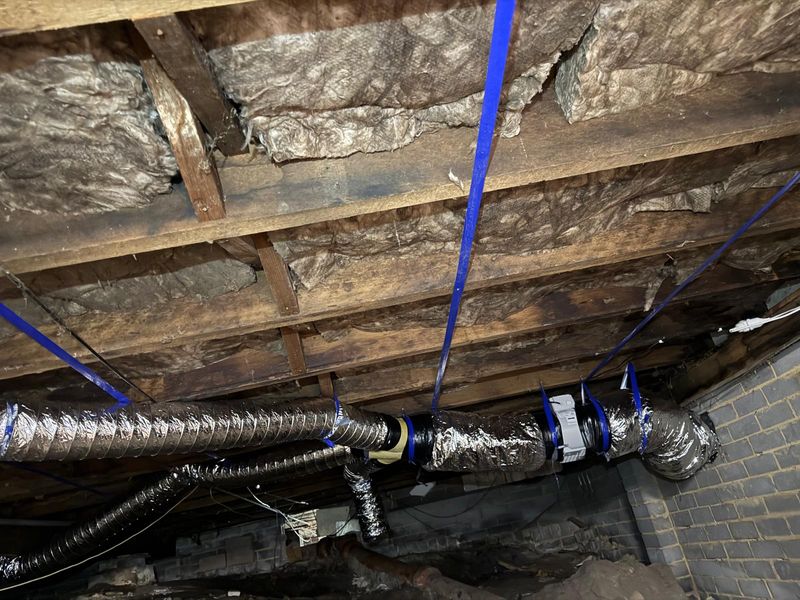
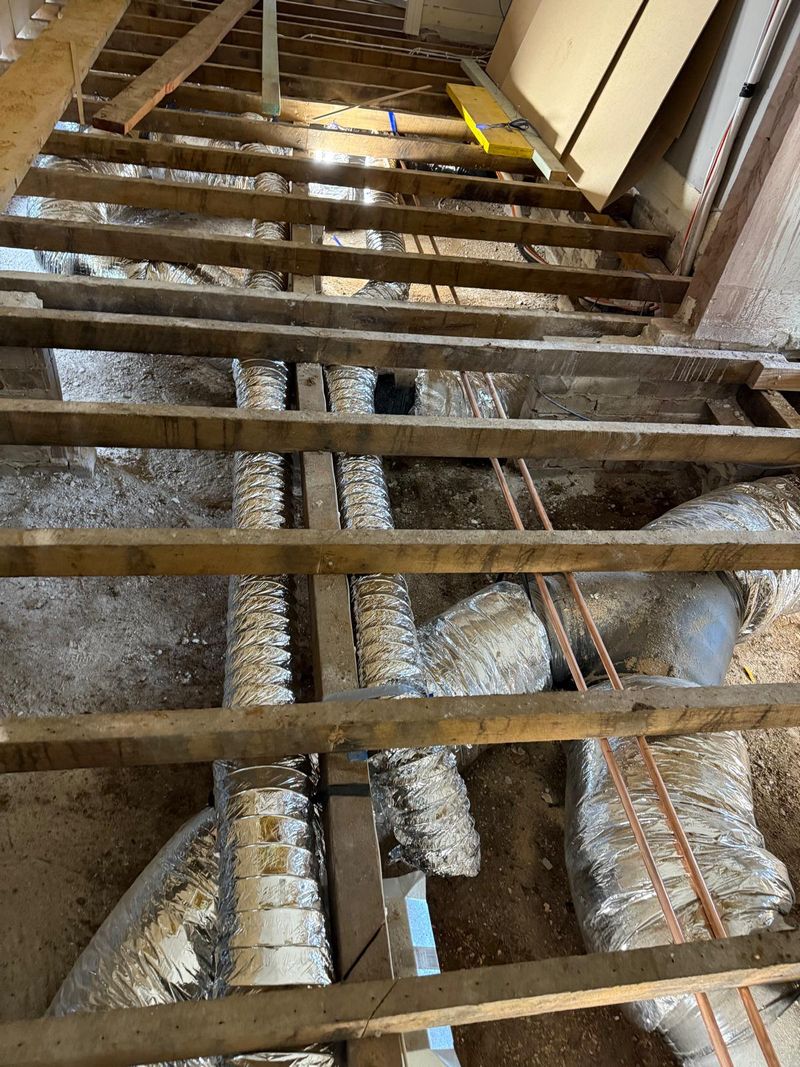
A few of the jobs our team has completed — fans, ducting and full subfloor ventilation systems. Swipe to see more →
We’ll measure the moisture, check your access and give you a friendly, fixed quote — no pressure, no obligation. Call now or send your details and a real local will get back to you, or contact our Sydney subfloor ventilation team directly.